by Megan | Apr 13, 2026 | AAC, aided language input, aided language stimulation, blog, book recommendations, books, continuing education, core vocabulary, emergent literacy, fringe vocabulary, modeling, Sensory, tips, training, Uncategorized
The “Perfect Book” Trap
If you’ve ever found yourself looking at a bookshelf filled to the brim, feeling overwhelmed and wondering “Is this one right for shared reading with my AAC user?”, you are not alone.
Since “AAC friendly” isn’t a category that books are organized into, at the library or bookstore, we need to shift our way of thinking when browsing. Choosing a book isn’t about it being “AAC friendly”, it’s about it being engaging, interesting and fun for both you and the AAC user.
My goal for this post is to simplify the process of choosing a book to read with your AAC user and reassure you that there is no “perfect book”. Once you realize that, you can spend less time searching for books and more time reading them. Here are the three pillars I use to find books that naturally invite communication.
1. High Predictability
One of the first things I look for is how much predictability is built into the story. Predictability reduces the “work” a learner has to do to follow the story, which leaves more room in their brain to think about what they want to communicate.
This predictability usually looks like repetitive lines or a rhyme and rhythm that creates a natural pause for the AAC user to chime in. Think of classics like:
- “But the bear snores on…”
- “But he was still hungry.”
- “There was an old lady…”
- “Chicka Chicka Boom Boom”
Pro Tip: If you find a book you love that isn’t predictable, you can make it predictable. Simply choose a repeated comment, request, protest or sound effect to say on every single page. Suddenly, any book becomes accessible!
2. Core Word Capacity (Moving Beyond Nouns)
A common mistake is picking books just for labeling (like “dog,” “cat,” or “truck”). While nouns are great, Core Words (verbs and descriptors) are the words that give a learner power across their whole day.
I look for “Action-Heavy” or “Emotion-Heavy” books. For example:
- Go/Stop: Great for any book about transportation or animals moving.
- In/On/Under: Perfect for lift-the-flap books or “hide and seek” stories.
- Like/Don’t Like: Excellent for stories about picky eaters or characters with strong opinions.
Modeling “go” or “scared” gives your learner a word they can use in a hundred other situations outside of this specific book.
3. Visual Clarity & Sensory Considerations
Finally, consider the visual and sensory “load” of the book. This is highly personalized. Some readers may prefer real photographs, while others find very busy, detailed illustrations distracting.
The Sensory Anchor: If a book has different textures or interactive elements, it is almost always a “sure thing” for me. These elements act as an “
My “Three-Question” Quick Filter
Next time you are at the library or bookstore, use these three questions to find your next great read:
- Does it have a repeating phrase (or can I create one)?
- Can I model at least 3 core words easily and repeatedly?
- Is the topic actually interesting to the learner? (This is the most important rule!)
DOWNLOAD THE QUICK-FILTER CHEAT SHEET HERE
Start browsing confidently!
You are ready to start checking out books with confidence, knowing that engagement matters far more than “perfection.”
If you want to dive even deeper into the “how-to” of shared reading, my e-book, Shared Reading with AAC Users: A Neurodiversity-Affirming Guide, walks you through everything from setup to tracking progress.
One more thing before you go… share in the comments: What is the one book your learner requests over and over?
by Megan | Apr 6, 2026 | AAC, blog, book recommendations, core vocabulary, emergent literacy, fringe vocabulary, modeling, tips, training, Uncategorized
One of the questions I hear all the time
“But what am I supposed to model?”
This is one of the most common questions I hear when I share about shared reading, and it makes sense. As professionals, parents, and caregivers of AAC users, we want to be doing what feels helpful, meaningful and supportive.
There are a lot of different words you could model during shared reading with AAC users, and that can definitely feel overwhelming. The good news is: you don’t need to model everything, and there are no perfect words you have to choose in order for shared reading to be meaningful.
You do not need to model everything
When you think about shared reading, you may immediately think about reading the text on the page. However, if you have read my previous posts about what shared reading is, and how to start shared reading, you know that shared reading can look a lot of different ways.
Shared reading is not about covering all the text in the book or modeling every word. In fact, you do not even have to model words directly from the text. You can model words that describe the pictures, words that connect to something the learner notices, or a word or two you chose ahead of time that you can naturally repeat throughout the reading.
Remember that connection is the goal during every shared reading opportunity, so if modeling words feels overwhelming and starts to take away from the connection, it is ok to scale back the amount and variety of words you are modeling.
Start with a few core words
If you are just getting started with shared reading or reading a book that is less familiar to you, it might be helpful to read through the book ahead of time and jot down a few possible words on sticky notes. You can place the sticky notes right on the pages, so the words will be there when you are ready to read.
To keep things simple, focus on just a few core words.
While there are no “right” or “wrong” words to model, these are words I have found myself using across many different books:
- look
- turn
- more
- again
- go
- like
- stop
- big
- little
- funny
Starting with core vocabulary can be especially helpful because these words are flexible and naturally show up across routines, conversations, and books. That makes them easier to model consistently.
I also love modeling core vocabulary during shared reading because the words do not stay stuck inside the book. They can carry over into the child’s day, helping build connections between the story and real life.
You can also model fringe words that matter
While core vocabulary might be the go-to vocabulary to model during shared reading, don’t forget about fringe vocabulary.
Story-specific words and themes absolutely have a place in shared reading, especially when they connect to what catches the learner’s attention. That might include:
- animal names
- food
- characters
- actions from the story
- favorite objects or themes
Core words may show up more often, but fringe words can sometimes be the thing that helps build excitement and buy-in. If a fringe word is meaningful, interesting, or motivating, it is absolutely worth modeling.
Model comments more than questions
If you read my previous post about starting shared reading with AAC users, you know that shared reading is NOT about performance and is not a test.
It can be easy to default to questions such as:
- What is that?
- What color is it?
- What is he doing?
- Can you point to…?
But one powerful shift is to model comments more often than questions.
Some examples of comments you can model during shared reading include:
- I like that.
- That’s funny!
- Uh oh!
- Look!
- Let’s turn the page.
- Wow!
- There he goes.
- I see it.
Comments are a great way to draw attention to the illustrations, the action, and the emotional moments in a book. They often feel more natural, and they help build interest and connection without putting pressure on the learner to respond in a certain way.
Model feelings, actions, and surprises
Books are full of feelings, actions, reactions, surprises, and opinions. That is part of what makes them such a natural space for communication.
These kinds of words can be great choices to model during shared reading:
- happy
- sad
- funny
- wow
- uh oh
- go
- fall
- open
- like
- don’t like
Modeling these words in the context of a book makes language feel more natural, meaningful, and fun rather than like a drill.
Let the book guide you
By now, hopefully the pressure is starting to come down.
Not only do you not have to model every word in the book, you also do not have to model the exact same words every time. In fact, shared reading often feels more natural when you let the book guide what you model.
Some books lend themselves to movement and action words so you might model more verbs. Some books bring up strong feelings, so you may model emotion words. Other books naturally invite commenting, predicting, or repetitive modeling.
Whatever book you are reading, think about a few core and fringe words you might want to use, but do not feel like you have to stick to those alone. Trust your instincts and model what feels natural in the moment. That is often where the best connection happens.
Keep it natural
Nothing disrupts connection during shared reading faster than making it feel like a task that has to be completed.
We want shared reading to feel inviting and enjoyable so that learners will want to return to it again and again.
As you plan for shared reading, keep these ideas in mind:
- Model naturally, not constantly
- You do not have to model on every page
- The goal is connection and access
- Repeated, meaningful models matter more than frequency alone
- Follow the child’s interest when possible
And remember: there is no one way shared reading should look. There can be lots of movement, only a little reading, repetitive reading of favorite pages, or lots of page flipping. It all still counts.
You’ve got this!
You are ready to start shared reading right where you are.
Keep these ideas in mind:
- Start with a few words.
- Let the book help you.
- Comments count.
- Repeated words are powerful.
- You do not need to do it perfectly for it to be meaningful.
If you want more support in figuring out what to model, how to get started, and how to make shared reading more accessible, I go deeper into all of that in my e-book, Shared Reading with AAC Users: A Neurodiversity-Affirming Guide.
by Megan | Mar 30, 2026 | AAC, aided language input, aided language stimulation, blog, books, emergent literacy, modeling, tips, training
If you’ve been wanting to start engaging in shared reading with an AAC user but aren’t sure where to begin, you are not alone.
For many parents, teachers, therapists, and support staff, shared reading can sound both wonderful and overwhelming. You may wonder:
- What book do I choose?
- What words do I model?
- How long do I read?
- What do I do if the child is not looking at the book?
- How will I know if I am “doing it right?”
All of those questions are valid.
The good news is that shared reading does not need to be complicated to be meaningful. You do not need a perfect lesson plan, a fancy setup, or a huge amount of time to get started. You just need to start.
If you missed my first post about shared reading, I shared more about what shared reading is and why it matters for AAC users. This post is the next step: how to begin in a way that feels realistic, supportive, and doable.
Start with one book, not a whole library
When people are just getting started with shared reading, it’s easy to overcomplicate choosing what book to read, but, it doesn’t have to be.
You do not need a huge stack of books. You do not need the perfect themed unit. You do not need to spend hours searching for just the right title.
Start with one book.
There are so many books out there that could be perfect for shared reading but you just need to chose one and start. I encourage you to pick a book that you like.
Yep, I said you.
Why? Because if you like it, you will be more animated when you read it, and you will be excited to share it with someone else. The learner you read with will feel your excitement and joy around reading this book, and what better feelings to build a connection around than excitement and joy!
If choosing a book you like still leaves you with too many options or you are still unsure if that is enough. You could also choose a book with one or more of these qualities:
- predictable or repeated lines
- engaging pictures
- simple, meaningful language
- a topic the child may enjoy
- opportunities for reaction, anticipation, or participation
Books with repetition can be especially helpful because they lower the load for everyone involved. The adult starts to feel more comfortable. The child starts to recognize the language and rhythm. The reading experience becomes more familiar and less demanding.
Starting with one book also gives you permission to slow down. Instead of rushing to do more, you can focus on making one shared reading experience feel more connected and accessible.
Choose 3 to 5 words to model
Another thing that can make shared reading feel intimidating is the pressure to model all the words.
Just like in any other routine, where you don’t have to model every word you say, you do not need to model every word in the book either.
In fact, it is usually much more helpful to choose just a few words to focus on. That might mean a few core words, a few fringe words connected to the story, or a combination of both.
For example, you might choose words like:
Or, depending on the book, you might add story-specific words if they are meaningful and/or motivating to the learner.
The goal is not to model every possible word. The goal is to make language feel visible, repeated, and connected to the experience.
When you narrow your focus to a few words, it becomes easier to model naturally and more often. That helps shared reading feel more manageable for the adult and more accessible for the AAC user.
Keep the environment supportive, not perfect
You do not need a picture-perfect reading corner to begin shared reading. What matters more is creating a supportive environment, and that can look very different depending on what you are reading, who you are reading with, where you are reading, etc. Remember the connection is the most important part, not the location.
That said, the environment still matters. When thinking about various locations for shared reading, keep these ideas in mind:
- Make sure the child is physically comfortable
- Think about positioning and access
- Reduce unnecessary sensory overwhelm
- Allow movement
- Adjust your pace to meet the learner where they are – some might need a slower pace, while some might do best when reading is fast and repetitive.
- Keep demands low and connection high
For some children, shared reading may happen best while sitting close together with the book open between you. For others, it may happen while they move around the room, bounce, pace, lie on the floor, or come in and out of the interaction.
Regardless of what it looks like, shared reading is still occurring.
Sometimes we get overwhelmed and don’t get started because we aim for an idealized reading setup instead of a supportive one. But shared reading can still be meaningful even when it looks flexible, messy, or different from what you expected.
It might not look how you expected at first
Shared reading may not look the way you imagined, especially at first.
The learner may not sit still.
They may not look at the book the whole time.
They may flip pages quickly.
They may only stay for one or two pages.
They may move away and come back.
They may laugh, vocalize, stim, protest, or seem interested in one small part of the experience and want to repeat it over and over again.
That does not mean you are failing.
Remember that we are looking for connection and connection looks different to everyone. Shared reading can look like the list above whether you are brand new to it or have been doing it for a long time.
When shared reading is new, or when a child has not been given access to reading in a way that truly meets their needs, it can take time for the experience to feel familiar and safe.
Instead of asking, “Does this look ‘right’?” it may be more helpful to ask:
- Were there any moments of connection?
- Did the child have access to the book and language to share about the book?
- Was the experience supportive rather than demanding?
- Is this something we would want to return to again?
Those are much more useful questions for reflection than whether the reading looked neat or traditional.
Focus on connection, not performance
Shared reading is not:
- A test.
- About getting through every page.
- Asking a bunch of comprehension questions.
- Getting the child to point, label, or answer on command.
Shared reading is:
- Connection.
- Being with the child in the book.
- Noticing what they notice.
- Modeling language in a meaningful context.
- Making literacy feel inviting instead of demanding.
When the goal shifts from performance to connection, shared reading becomes more accessible for everyone involved.
It also becomes easier to recognize participation in all its forms: a smile, a glance, a repeated button press, a page turn, a laugh, a request to read the same book tomorrow.
Those moments matter.
Repeat, repeat, repeat
If you take one thing from this post, let it be this: you do not need a new book every time.
Re-reading the same book is not boring. It is supportive.
Repetition helps:
- build familiarity
- lower pressure
- strengthen understanding
- create anticipation
- provide more opportunities for AAC modeling
- support participation
When a child already knows the rhythm of a book, they do not have to spend as much energy figuring out what is happening. That frees up space for connection, language, and engagement.
The adult benefits too. When you know the book well, it becomes easier to choose words to model, pace yourself, and feel more confident in the interaction.
If you want to make shared reading feel more doable, repetition is one of the best tools you have.
A simple way to start
If you are still feeling unsure, here is a simple framework to keep in mind:
One book.
A few words.
A supportive setup.
No pressure.
Repeat.
That is enough to begin.
Focus on consistency, not complexity.
You can start small and still make it meaningful
Sometimes people wait to start shared reading because they think they need more time, more training, more materials, or a better setup before they begin.
But often, what makes the biggest difference is not doing more. It is starting smaller.
- Read one book.
- Model a few words.
- Let the child move.
- Adjust your pace.
- Read it again.
That is a meaningful beginning.
And when that beginning is grounded in connection, access, and flexibility, it can grow into something really powerful over time.
Final thoughts
If you have been unsure how to start shared reading with AAC users, remember this:
- Starting small is enough.
- One book, a few modeled words, and repeated opportunities are a strong place to begin.
- Shared reading should feel inviting, not performative.
- Repetition builds confidence, familiarity, and access.
You do not need to do it perfectly. You just need to begin.
If you want a more supported roadmap for getting started, my e-book walks through shared reading with AAC users in a practical, affirming way and can help you feel more confident about what to do, what to model, and how to make the experience more accessible and meaningful.

by Megan | Dec 16, 2023 | AAC, aided language input, aided language stimulation, blog, continuing education, core vocabulary, fringe vocabulary, modeling, prompt hierarchy
It’s the busiest time of the year! Wrapping up the year, buying gifts for all you love, finding time to celebrate with all your friends and family, you may feel like you are running around endlessly, the last thing you should have to worry about is making sure you have all of your continuing education units (CEUs) done to renew your licenses and certifications. 🤪
Before you close this window and start running around again, take the time to read to the end of this post, ‘cause I’ve got a way for you to rack up a bunch of CEUs for FREE! **Bonus if you want to learn more about AAC – these CEUs are AAC focused**
Ready to get started? Here we go!

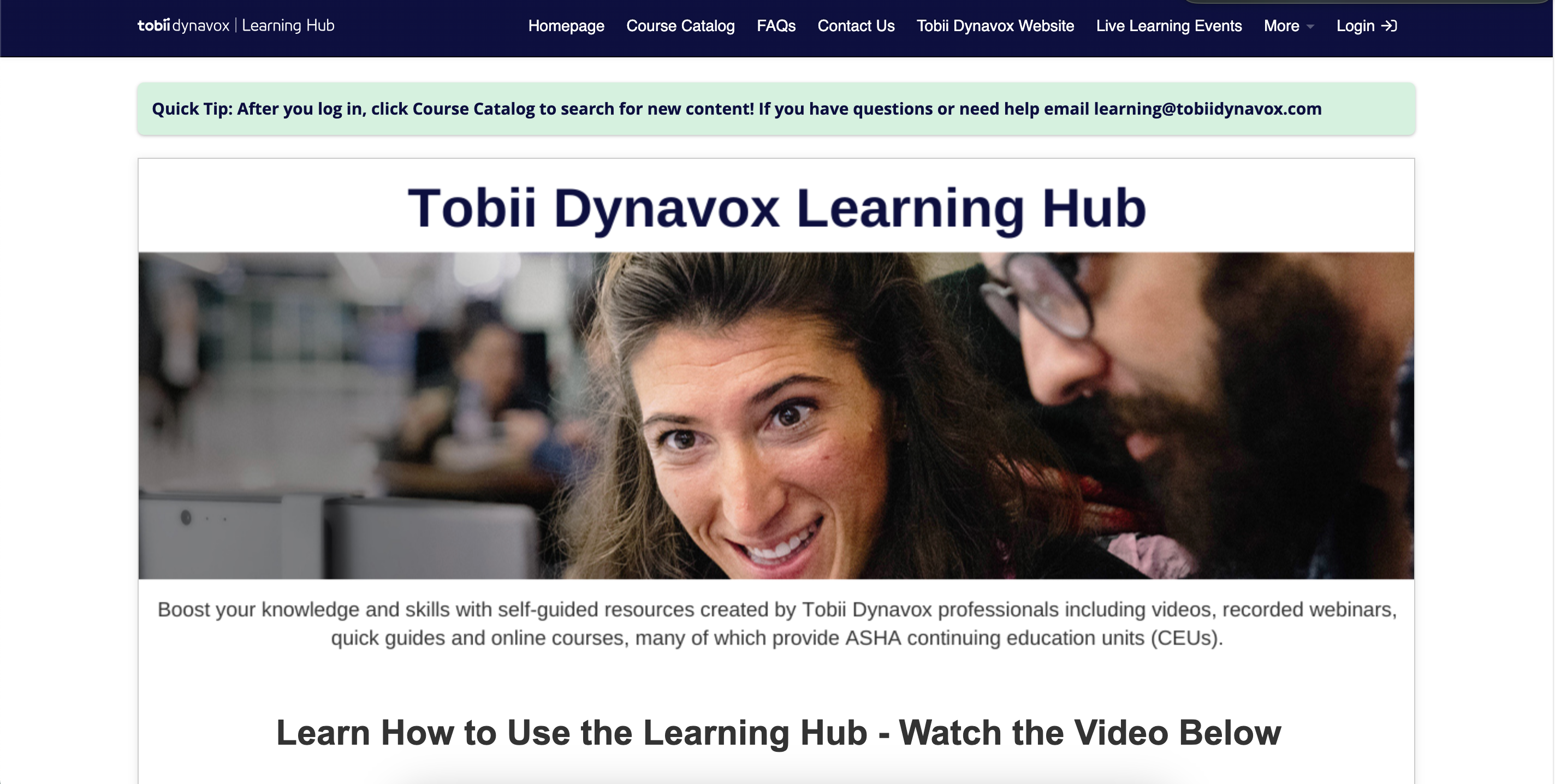
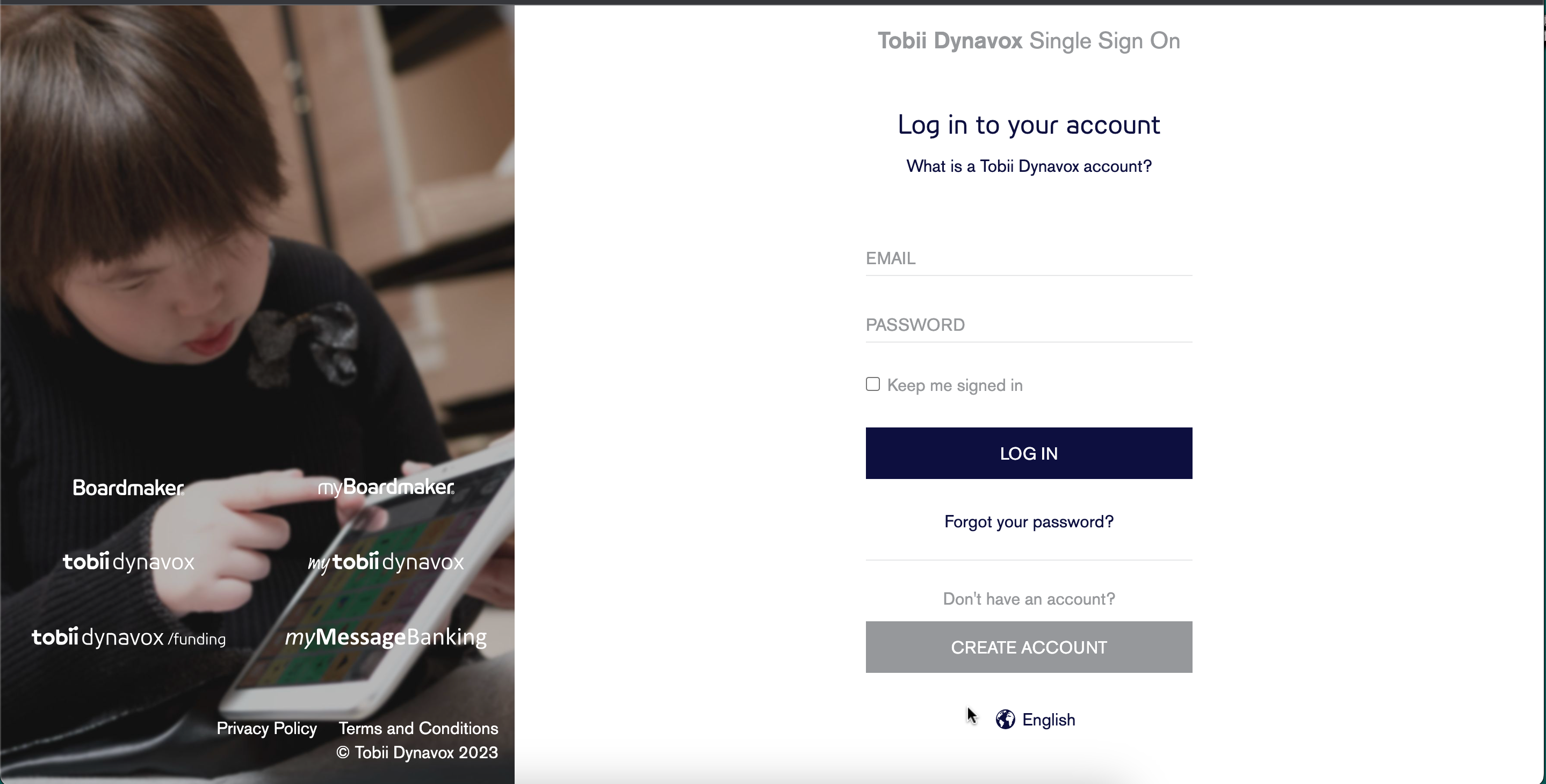
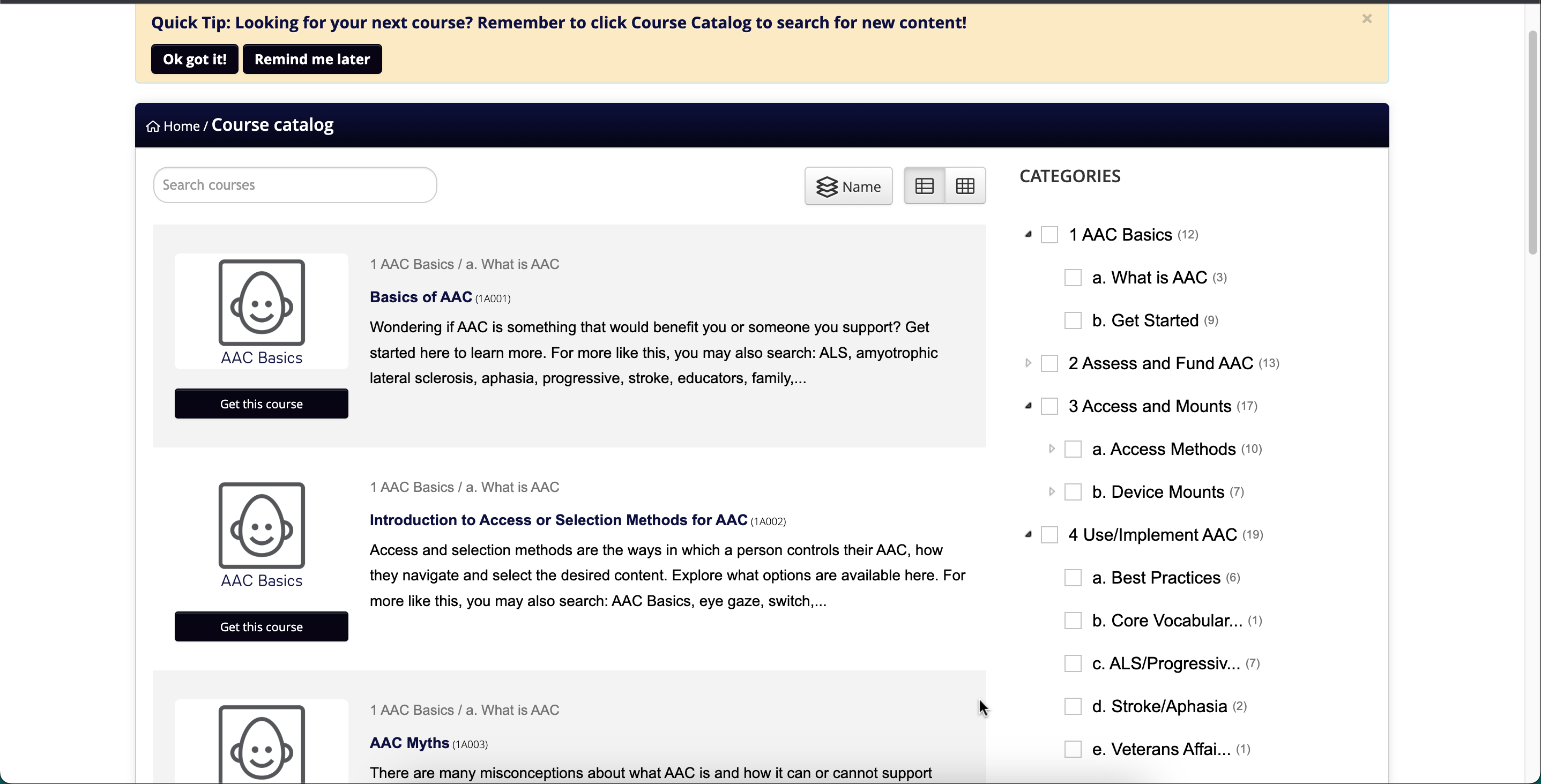
- You will be redirected to a login page where you can create an account or, if you have an account within any Tobii Dynavox or Boardmaker programs, use that account login and password.

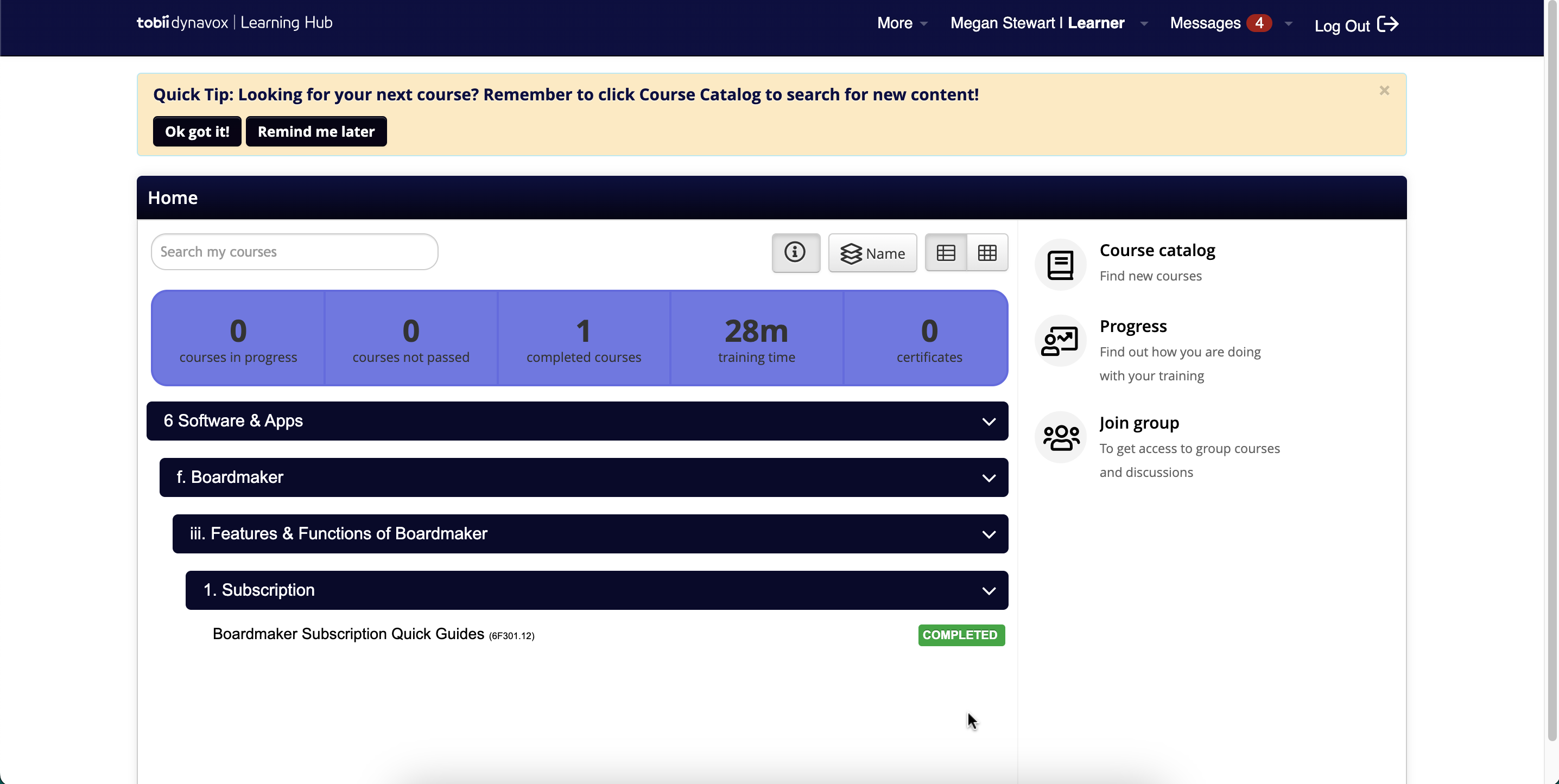
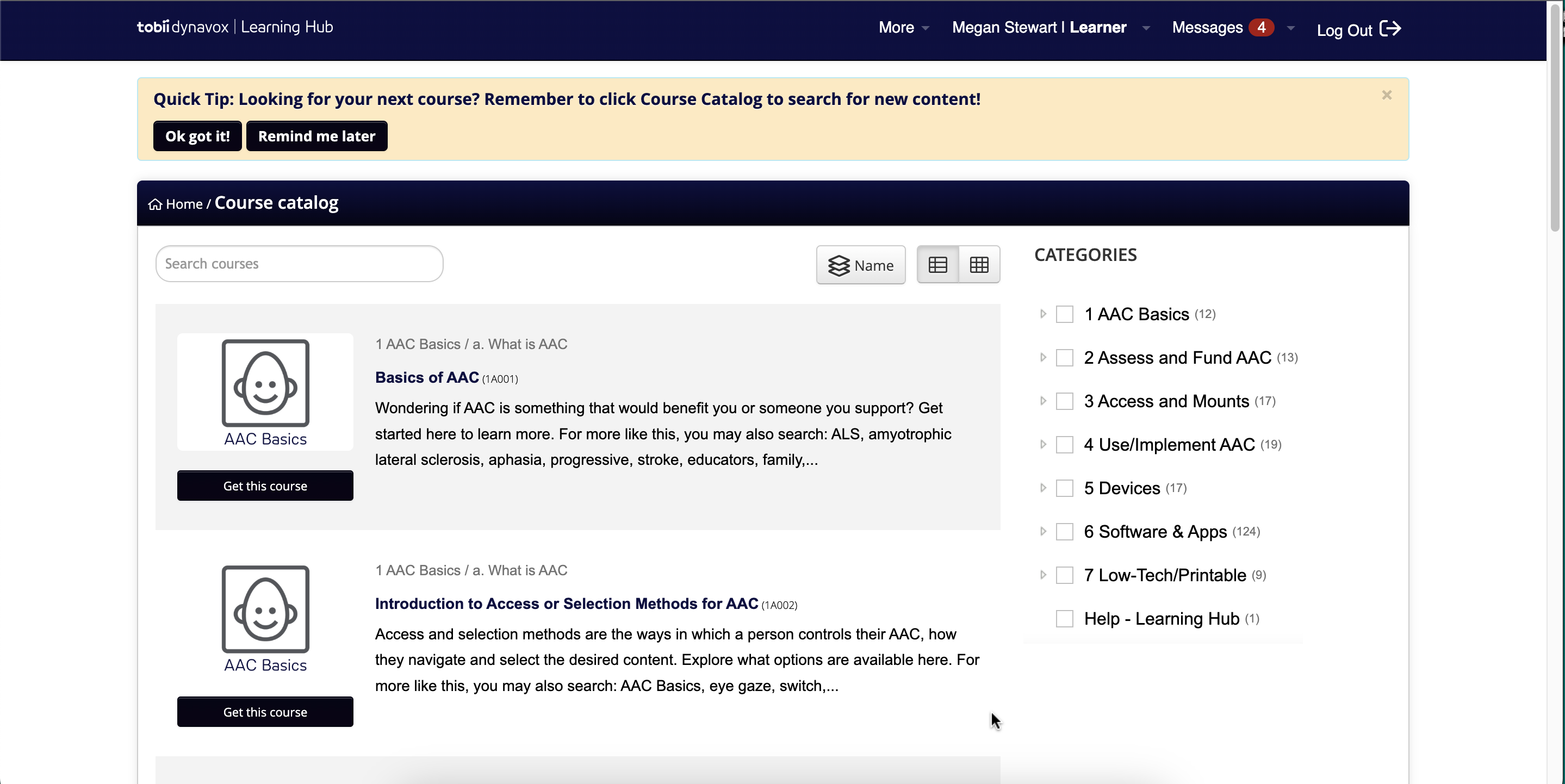
- After you log in you will be redirected to the Learning Hub, where you can start racking up those CEUs! Click on “Course Catalog” to see all the courses offered.
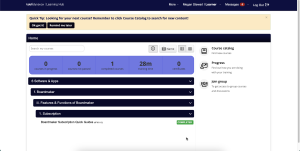
- Once you see the list of courses, you can also open the categories further to see additional specific courses.
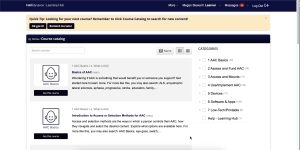
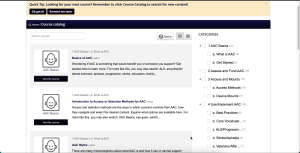
That’s it – you are ready to rack up a bunch of free CEUs to finish out your requirements for the end of the year, or whenever you need it!
If you work through any of these courses and find one that you really like, let us know in the comments so we can check it out too!
Recent Comments